
AI Scene Builder: Reconstructing 3D Environments from AI Images
Project Type: AI / 3D Workflow Experiment
Role: Concept, AI generation, 3D reconstruction, pipeline testing
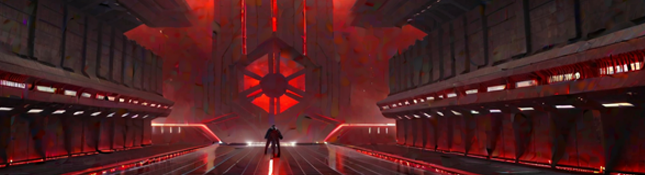
This project explores how AI-generated images can be transformed into usable 3D environments. By extracting camera perspective from a generated concept image using fSpy and reconstructing the scene in Blender, the experiment tests whether AI imagery can act as a starting point for spatial scene design and animation environments..
What This Solves
Production pipelines often rely on concept art that lacks usable spatial data, slowing down environment creation.
This workflow demonstrates how a single image can be converted into a production-ready 3D layout, reducing environment setup time and enabling faster iteration for animation and visualization teams.
Impact
- Reduces environment setup time from concept to layout
- Enables rapid iteration using existing concept art
- Bridges AI-generated imagery with production-ready 3D workflows
The Problem
AI-generated images are often visually compelling but difficult to translate into usable production assets. Concept art generated by AI typically lacks spatial data, making it difficult to reconstruct scenes for animation or real-time environments.
This project explores whether a single AI-generated image can be used as the starting point for reconstructing a navigable 3D environment.
The Approach
The experiment focused on extracting camera perspective and scene geometry from an AI-generated concept image.
Using fSpy, the camera perspective was reconstructed and imported into Blender, allowing basic geometry to be built that aligns with the original image. The goal was not perfect replication, but testing whether AI images could function as a practical layout reference for 3D environments.
Tools Used
- Blender – 3D reconstruction and scene building
- fSpy – camera perspective extraction
- Stable Diffusion – AI concept image generation
- Photoshop – image preparation and adjustments
Workflow
- Generate concept image using Stable Diffusion
- Import image into fSpy to extract camera perspective
- Export camera data into Blender
- Reconstruct scene geometry aligned with perspective
- Add lighting and environmental elements
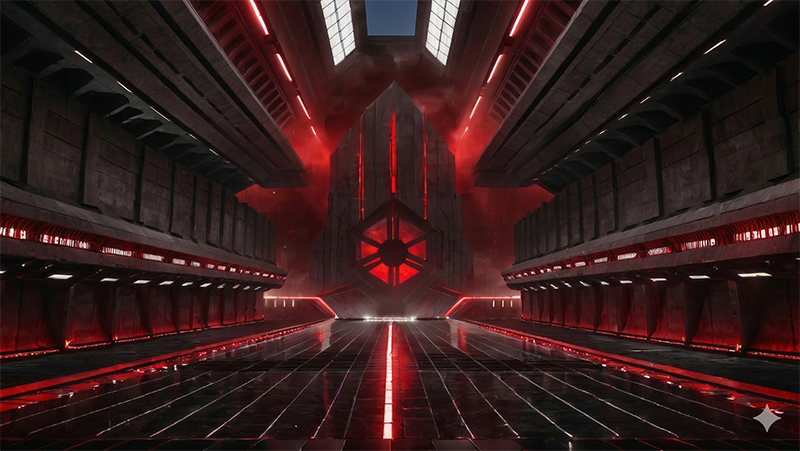
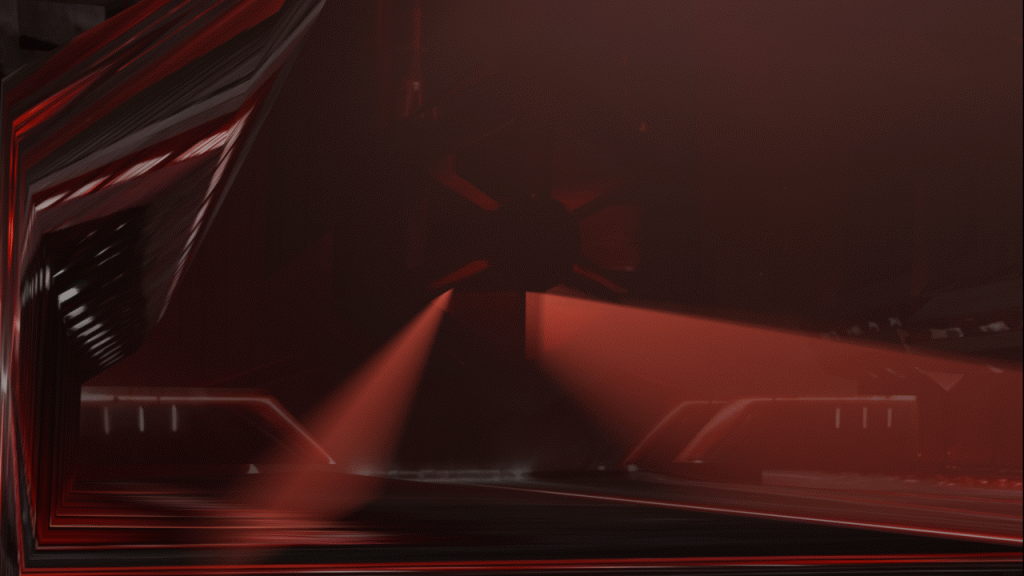
- Compare rendered output against original AI concept
Before / After
Key Takeaways
- AI images can act as a viable starting point for spatial scene design
- Perspective extraction tools like fSpy significantly reduce layout time
- The technique enables rapid environment prototyping for animation and visualization
- AI concept art can bridge ideation and production pipelines
- The workflow provides a fast bridge between AI concept art and production-ready 3D layout.